

Regenerative Ag and MAHA Now Linked | By Chris Clayton, DTN Ag Policy Editor
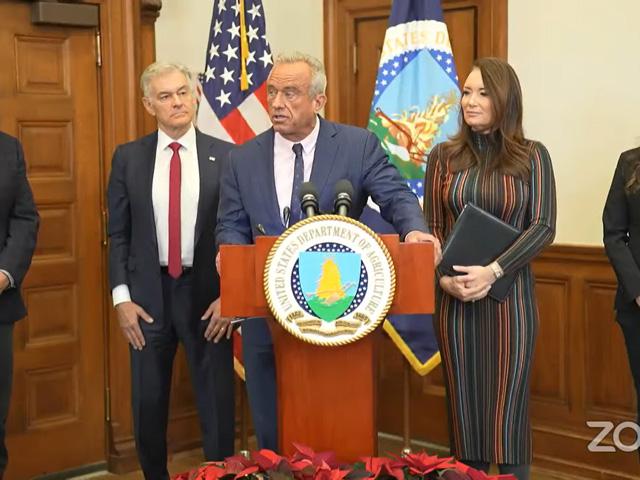
USDA Launches Regenerative Ag Pilot Tied to Make America Healthy Again Agenda
OMAHA (DTN) — USDA will spend up to $700 million to help more farmers use regenerative agricultural practices as part of the Trump administration’s “Make America Healthy Again” agenda.
The pilot program will use $400 million from the Environmental Quality Incentives Program (EQIP) and $300 million from the Conservation Stewardship Program (CSP) and will also leverage private funding to promote conservation practices such as cover crops while helping farmers reduce the use of chemicals such as pesticides.
Secretary of Agriculture Brooke Rollins announced the pilot program on Wednesday with Health and Human Services Secretary Robert F. Kennedy Jr.
“Protecting and improving the health of our soil is critical, not only for the future viability of farmland, but to the future success of American farmers, in order to continue to be the most productive and most efficient growers in the world, we must protect our topsoil from unnecessary erosion and boost the microbiome of the soil,” Rollins said.
Rollins also pointed out some of the country’s health challenges, such as the estimate that roughly 75% of people between the ages of 17 and 24 years old are ineligible for military service because of obesity, poor physical fitness or mental health challenges.
“We all know we’re at the point where we must do something to correct the chronic health problems that Americans face,” Rollins said.
Officials made the point that regenerative agriculture and new restrictions on the type of foods purchased using Supplemental Nutrition Assistance Program (SNAP) benefits will both tie into how states will tap federal rural health care dollars as well.
Kennedy pointed out the push for regenerative agriculture was a goal of the MAHA report released in September. One MAHA focus is to find a way to make farmers less dependent on chemicals and fertilizer inputs, Kennedy said, and they need a way to transition to a model that emphasizes soil health.
“And with soil health comes nutrient density — and without coercion, voluntary action gives them good incentives to do well by doing good for themselves, for their children and for the country,” Kennedy said.
To read the full article, click here.