
Make Every Pound Pay
Fertilizer prices are like the weather: you can’t control them. Instead, you can take steps to make Every Pound Pay.
Protect Your Farm From Volatile Fertilizer Prices.
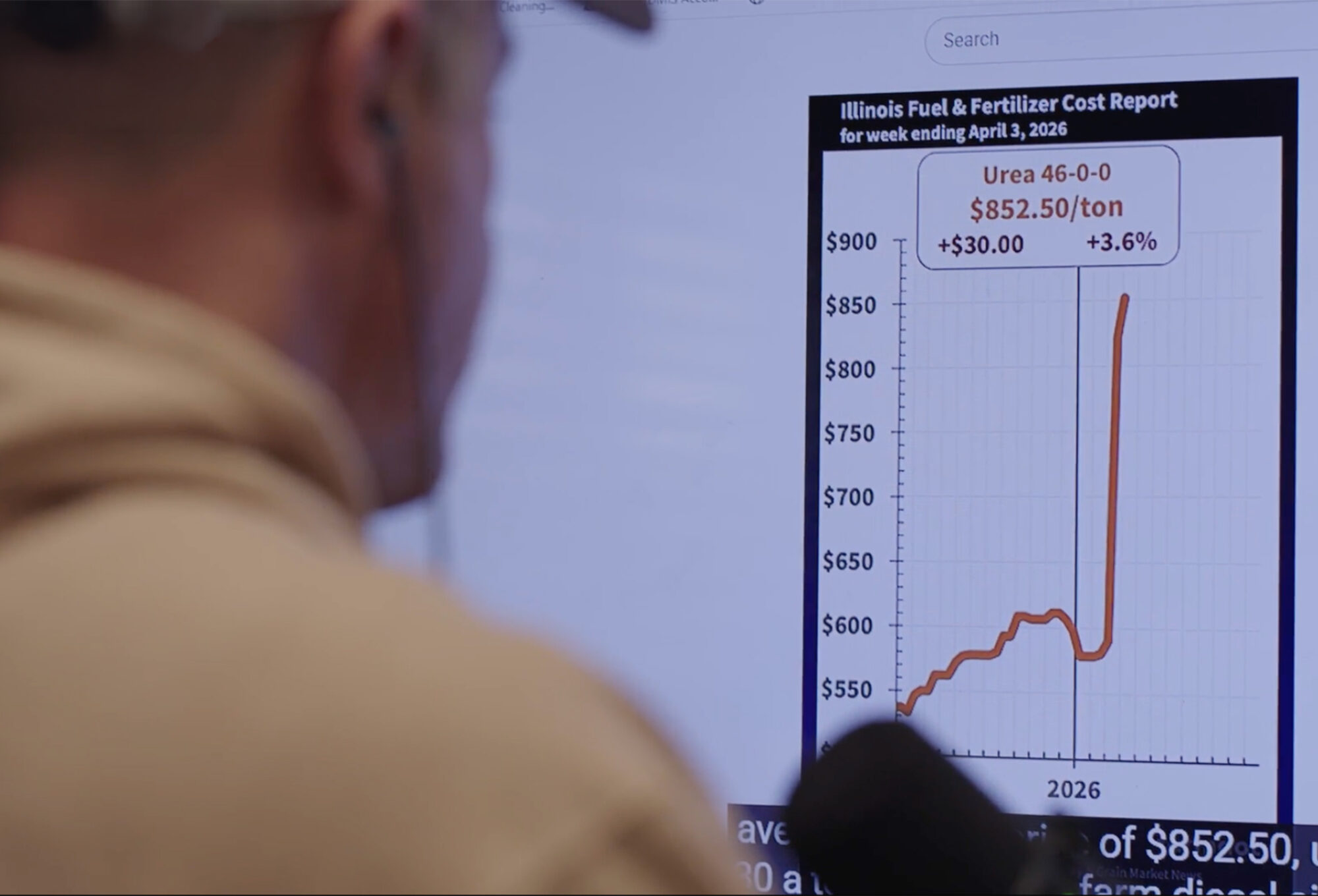
In spring of 2026, fertilizer prices skyrocketed. It happened before and it’ll happen again. You know better than anyone how important it is to be prepared for anything. What additional steps are you taking to make sure that every pound of fertilizer you purchase provides maximum value?
↑50%
Up to half the nitrogen applied to a field never makes it into the crop.
$33.8B
What U.S. farmers spend on fertilizer a year – yet the most profitable farms spend less, not more.
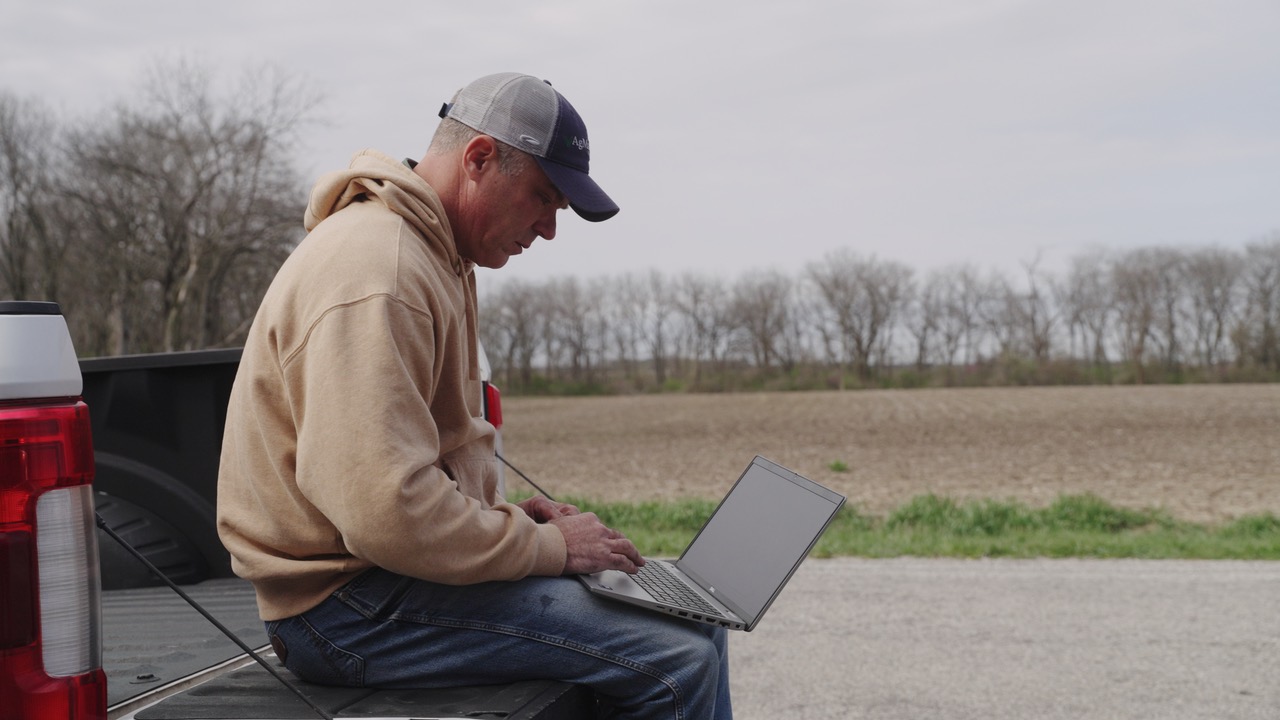
“I saw as much as fifty dollars per acre in savings based upon the fact that we didn’t apply nearly as much fertilizer on some of the fields…..We still get to the same end result and actually make more money on the farm.”
Matt Bennet – Shelby County, Illinois
Fine Tune Your Operation, Improve ROI
New to nutrient management planning or ten years in, the options below all do the same thing: get more out of the fertilizer you’re already paying for. Explore the practices, tools and resources and pick the next right fit for your farm.
Tracking
Better record keeping or year-over-year tracking
Know what each field got and gave back, so you can see what's working before you change anything.
You can’t manage what you don’t measure. Run side-by-side strips and let your own ground settle the argument; build a field budget that credits the manure, legume, and leftover N you’re already getting; track it year over year so you scale what works.
Ways to Do It
- On-farm strip trials
- Field-level nutrient budgets (credit manure, legumes, residual N)
- Year-over-year tracking
- Yield monitors & calibrated maps
Soil Supply
Improving how your soil holds and releases nitrogen
Get more of your crop's nitrogen from the soil you already have – credit it before you buy more.
A lot of your crop’s nitrogen never came out of a tank—it came out of the ground. Sample by grid or zone to map it, use the Illinois Soil Nitrogen Test to gauge what your soil will release this season, and credit every pound of manure.
Ways to Do It
- Soil sampling (grid or zone)
- Illinois Soil Nitrogen Test
- Manure testing & nutrient balancing
- Credit N from legumes/rotation
- Biological & microbial inputs
Tools to Help
- N-WATCH residual-N tracking
- Illinois Soil Nitrogen Test & manure nutrient credits (your soil lab runs both)
Source/Product mix
Changing the form or product mix you use
The product and form you choose change how much of your nitrogen actually reaches the crop.
Not all nitrogen behaves the same once it’s in the ground. Stabilizers and inhibitors hold it in place longer; controlled-release feeds on the crop’s schedule; corn-specific biologicals and P-solubilizing products stretch what you put down.
Ways to Do It
- Nitrification inhibitors
- Urease inhibitors
- Controlled-release fertilizers
- Nitrogen-fixing biologicals
- Phosphorus-solubilizing products
Tools to Help
- Efficiency-fertilizer & inhibitor info (Illinois Corn)
- Slow-release product info (through your retailer)
Timing
Adjusting when you apply it
Applying closer to when the crop takes it up puts more of every pound into the plant.
Nitrogen put down months before the plant needs it has a lot of time to go missing. Split your applications, wait on soil temperature for fall N, and use tissue tests and imagery to fine-tune where and when you go.
Ways to Do It
- Split or in-season application
- Soil-temperature timing for fall N
- In-season crop/canopy sensing
- Tissue testing
- Satellite / drone / NDVI imagery
Tools to Help
- Sidedress & soil-temp timing guidance (farmdoc)
- In-season N models & weather-based loss-risk tools (ask your CCA — mostly retailer/commercial platforms)
Reducing Losses
Reducing how much nitrogen is lost from the field
Placement, cover crops, and erosion control keep nitrogen on your field instead of in the water or a ditch.
This isn’t about using less — it’s about keeping more of what you bought. Band or inject instead of broadcasting, run section and swath control so you stop paying to double-apply, and let RTK accuracy and manure incorporation do the rest.
Ways to Do It
- Inhibitors & stabilizers
- Band or inject vs. broadcast
- Section/swath control (stop paying for overlap)
- Auto-steer & RTK accuracy
- Manure injection/incorporation
Tools to Help
- N-WATCH residual tracking
- Weather-based N loss-risk tool (ask your CCA)
Rate
Adjusting how much nitrogen you apply
Set your rate to the most profitable return, not top yield – the curve is flat near the top, so little yield is at stake.
More nitrogen and more profit aren’t the same thing. Near the top of the curve the yield barely moves while the cost keeps climbing. Right-size with MRTN, then go variable-rate by zone and let your own trials sharpen it.
Ways to Do It
- Right-size to your most-profitable rate
- Variable-rate by zone
- Prescription maps
- Variable-rate manure
- Right-size from trial performance
Playing the longer game
These are multi-year moves that lower your cost and risk over time, and most are heavily cost-shared. Worth a look when you’re ready to think past this season.
Longer-Term Play
Build ground that needs less from you
Cover crops, lighter tillage, and longer rotations take a few seasons to show up—but the farmers who try them tend to keep going.
A few seasons in, the ground starts holding on to more of what it’s given — so it needs less from you.
Ways to Do It
- Cover crops (hold N over winter, build organic matter)
- Lighter or no-till (fewer passes, lower fuel/labor/iron)
- Longer rotations (break pest cycles, spread market risk)
- Smarter residue management
What the Neighbors are Finding
In Illinois Corn / PCM’s data, half of the most profitable acres already run no-till ahead of soybeans or a single light pass ahead of corn — and about 70–75% of farmers who try cover crops plant them again the next year. People don’t stick with things that don’t pay.
Longer-Term Play
Put your worst corners to work
Turn the wet spots, ditch edges, and tile outlets that cost more than they return into something useful — usually mostly or fully paid for.
Every operation has acres it’s tired of fighting. These put them to work instead.
Ways to Do It
- Saturated buffers (filter tile water, no yield hit, little upkeep)
- Bioreactors (woodchip bed, refreshed once in 10–15 yrs)
- Drainage water management (riser boards = a water dial for dry vs. wet years)
- Marginal-acre buffers & waterways
What the Neighbors are Finding
In Iowa, the “batch and build” program handles the paperwork and contractors and covers up to 100% of installation. Practical Farmers of Iowa members found it was the same return to take a money-losing corner out of production and put in a buffer as to keep farming it — minus the headache.
Who can help
Most of these work better with a second set of eyes. Here’s who to call—with a directory for each, wherever you farm.
Certified crop advisers & agronomists
National · ASA Find a CCAIndependent, ethics-bound advisers certified in nutrient, soil, pest, and crop management. The national directory also covers the co-op and retail agronomists who hold the credential.
Your co-op or retail agronomist
You likely already have oneThe adviser you already buy from is often the fastest place to start—especially on product and timing. (To find a certified one near you, use the CCA directory above.)
PCM specialists
Regional · Illinois Corn / PCMPCM applies financial analysis to in-field practices to help farmers identify practices that achieve environmental goals without risking their bottom line.
Soil testing labs
National · NAPTMeasure what your soil is actually supplying — and credit your manure — before you buy more. The directory lists proficiency-tested labs nationwide.
Cost-share & field-edge planning
National · USDAFor buffers, bioreactors, drainage, and the paperwork behind them, USDA-certified planners (Technical Service Providers) and your local service center handle it — often at little or no cost to you.
Farm Business Farm Management
National · FBFMFBFM collaborates with University of Illinois farmdoc and is recognized as an industry leader in farm-level financial management information and accounting related services for farmers.
Suggest a Tool or Practice
Share your expertise – what works for you, may work for others.